

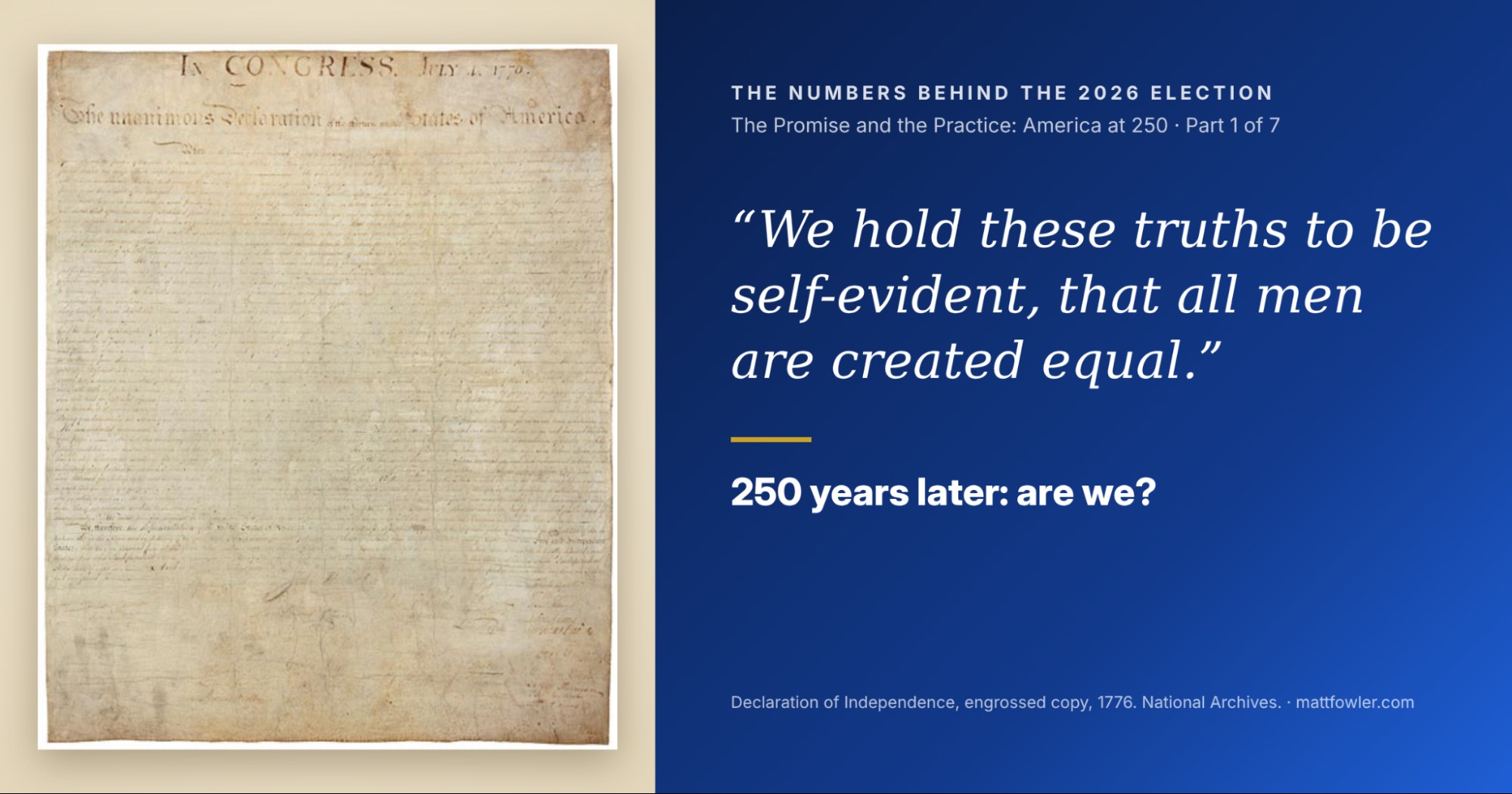
The five-part series on America at 250, collected in one place: equality, immigration, the rule of law, prices, and the peaceful transfer of power.
History & Ideas
Posted on:
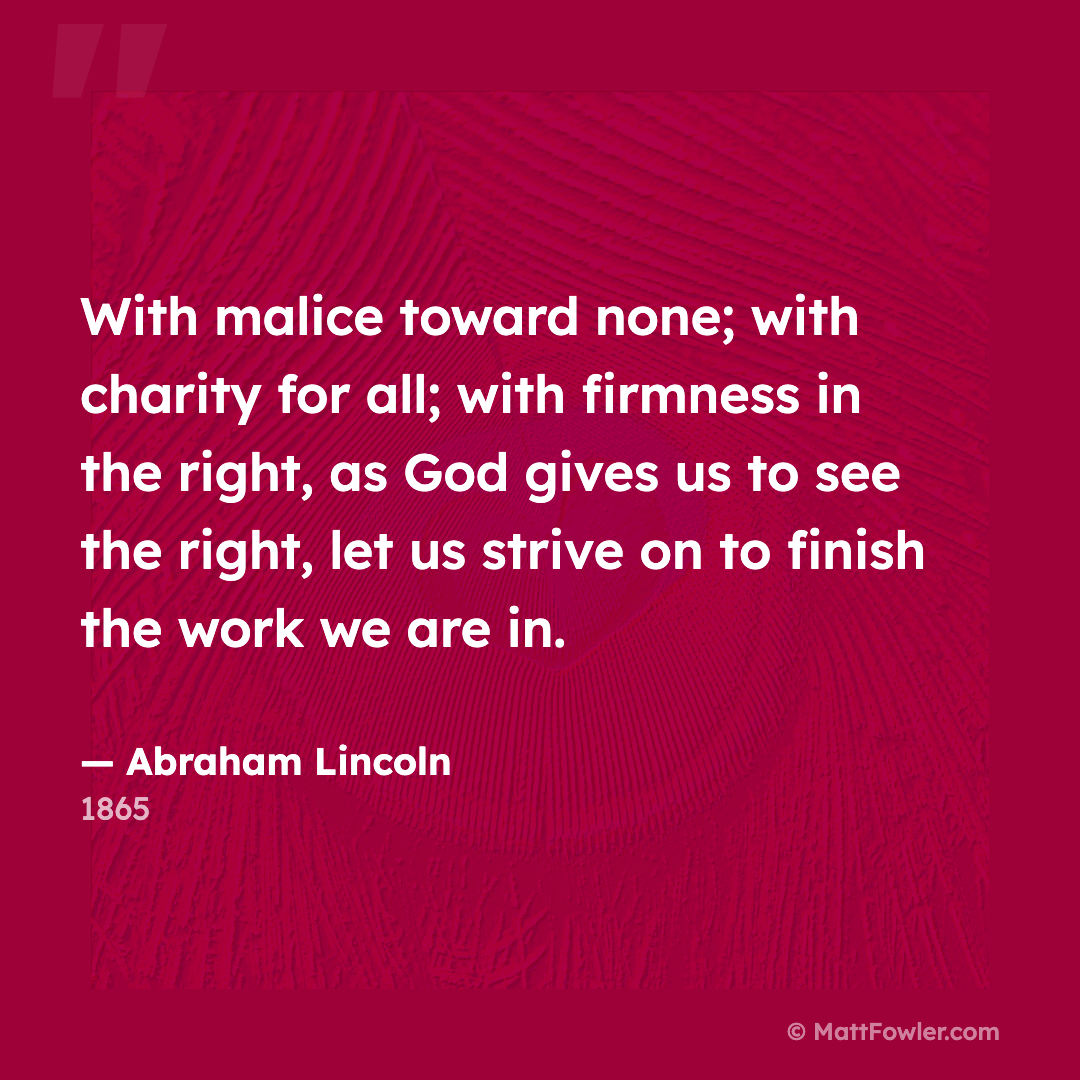
Abraham Lincoln in 1865
Lincoln’s Second Inaugural, six weeks before his death. No malice. Charity for all. Firmness in the right. It’s the hardest balance there is, and the only one worth pursuing. The same sentence goes on to promise “to care for him who shall have borne the battle,” words the VA has carried as its motto for decades. On Veterans Day, that’s the part of the work we can all help finish.

Politics & Citizenship
Posted on:
A Pulpit at Our Service
I learned what it means to follow Jesus from a Japanese immigrant pastor. Franklin offered the Mufti of Constantinople a pulpit; the least we can do is offer our Muslim neighbors a fair hearing.

History & Ideas
Posted on:
Baruch Spinoza in 1677
Spinoza was excommunicated at 23 for thinking too freely and spent his life grinding lenses rather than recant. This was his whole method: understanding before judgment. It’s harder than it sounds, and nearly everything decent depends on it.

Politics & Citizenship
Posted on:
However Tonight Ends
The final post of The Numbers Behind the 2026 Election: whoever wins, the peaceful transfer of power is the miracle underneath everything else. The republic is still ours to keep.

History & Ideas
Posted on:
Hamilton’s Warning: The Popular Road to Tyranny
In 1792, Alexander Hamilton wrote out, step by step, how a would-be tyrant might bring down the American republic. It was a recipe for gaining power through the people.

Politics & Citizenship
Posted on:
The Price of Everything
Part 4 of The Numbers Behind the 2026 Election — the promise was to bring prices down on Day One. Here’s what actually happened to eggs, beef and the grocery bill, and what a presidential vote really decides.

History & Ideas
Posted on:
Learned Hand in 1944
Hand said this to newly sworn citizens in Central Park in 1944, with the war’s outcome still in doubt. The deepest form of liberty isn’t certainty; it’s the humility to question yourself. Worth remembering on the eve of an election. That was part of what was being defended.
Politics & Citizenship
Posted on:
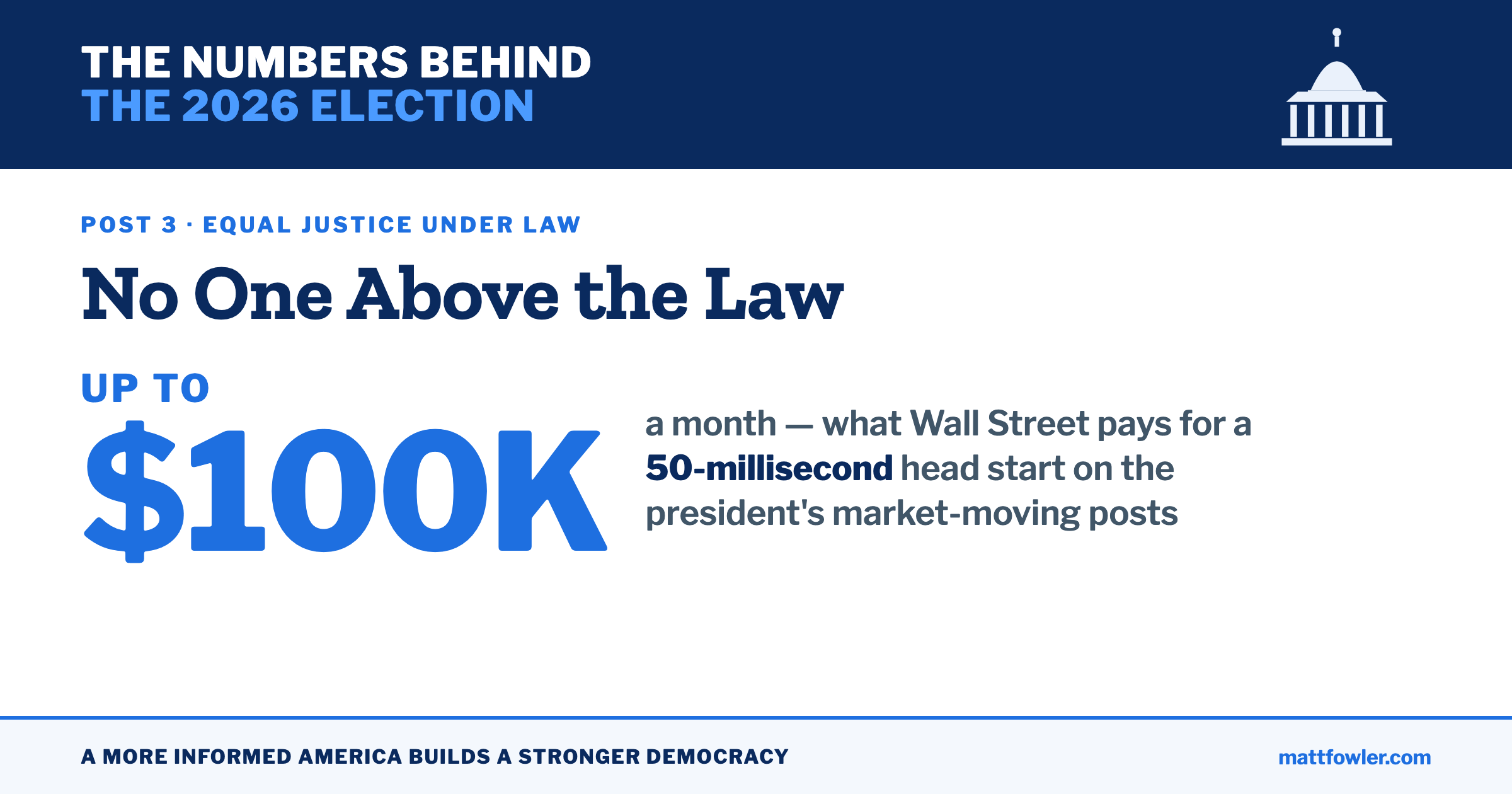
No One Above the Law
Part 3 of The Numbers Behind the 2026 Election — when the powerful decide the law is for other people, what stops them? The DOJ as sword and shield, the swamp he promised to drain, and who’s still checking it.
History & Ideas
Posted on:
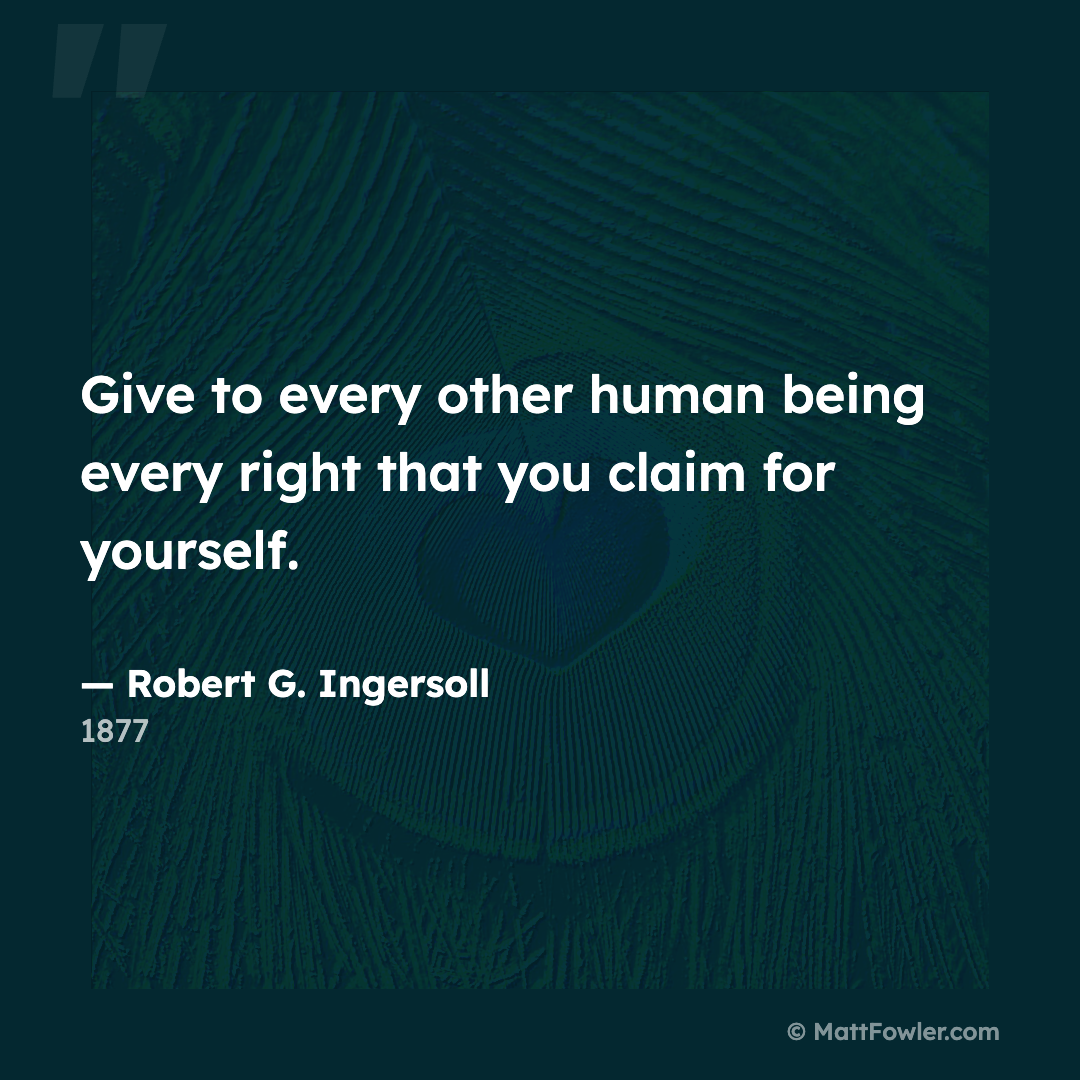
Every Right You Claim: Ingersoll in 1877
Ingersoll was the most famous orator in America and almost no one remembers him now. This is the whole of a decent society in one line—the rights you want mean nothing unless you extend them to everyone else.

History & Ideas
Posted on:
Travel Is Fatal to Prejudice: Twain in 1869
Twain wrote this at the end of The Innocents Abroad, after five months at sea with a shipload of Americans who mostly went looking for home.

History & Ideas
Posted on:
Secured for All of Us: Jane Addams in 1902
Addams moved into a run-down mansion on Chicago’s West Side in 1889 and stayed the rest of her life. Hull House was built on this idea: the good you keep to yourself is the fragile kind. It only holds once your neighbors have it too. It’s the argument I keep coming back to on housing.
History & Ideas
Posted on:
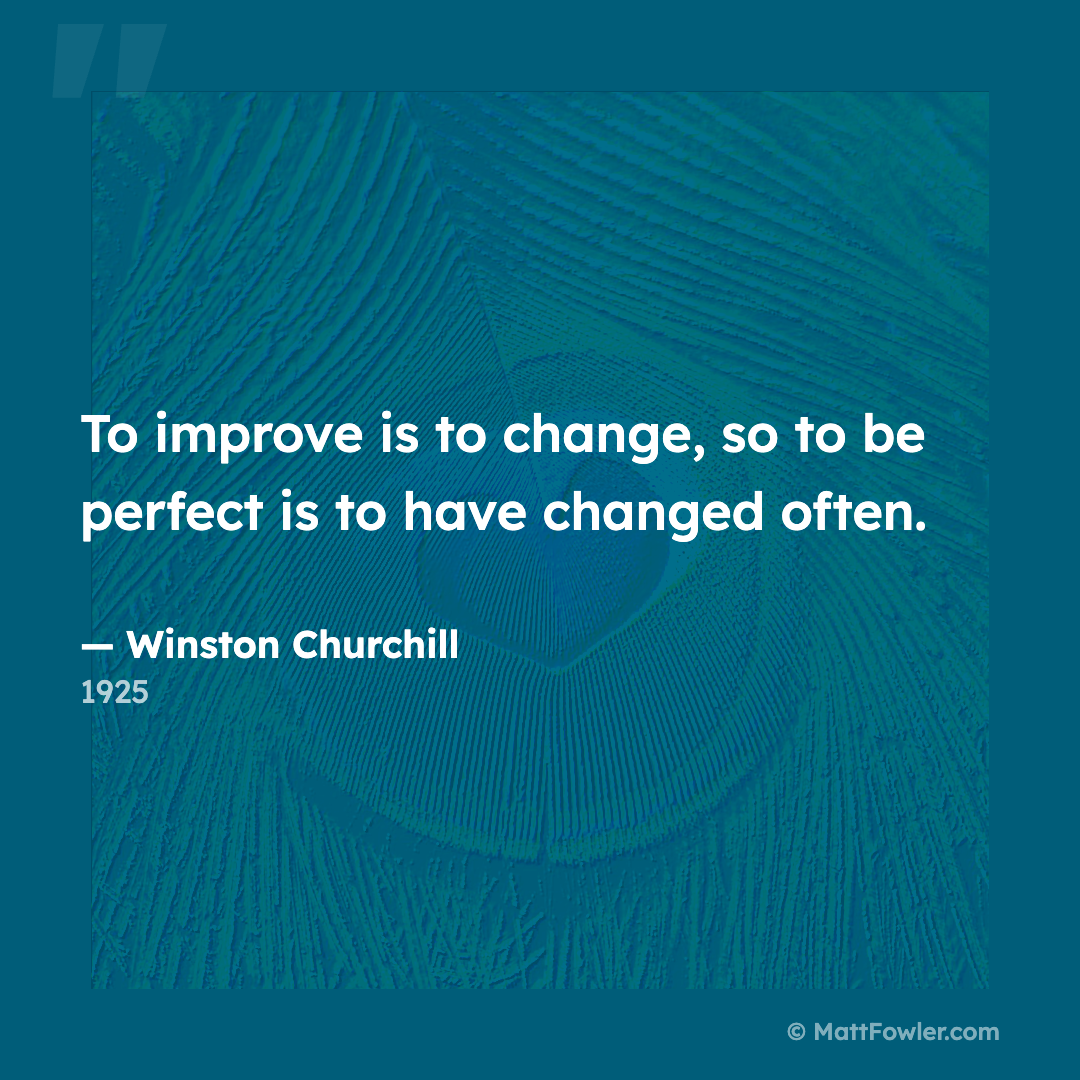
To Improve Is to Change: Churchill in 1925
Churchill said this in the House of Commons in 1925, borrowing a line from John Henry Newman, and he had earned it. He changed parties twice and was wrong in public more often than most people get the chance to be. He knew the difference between consistency and stubbornness.
History & Ideas
Posted on:
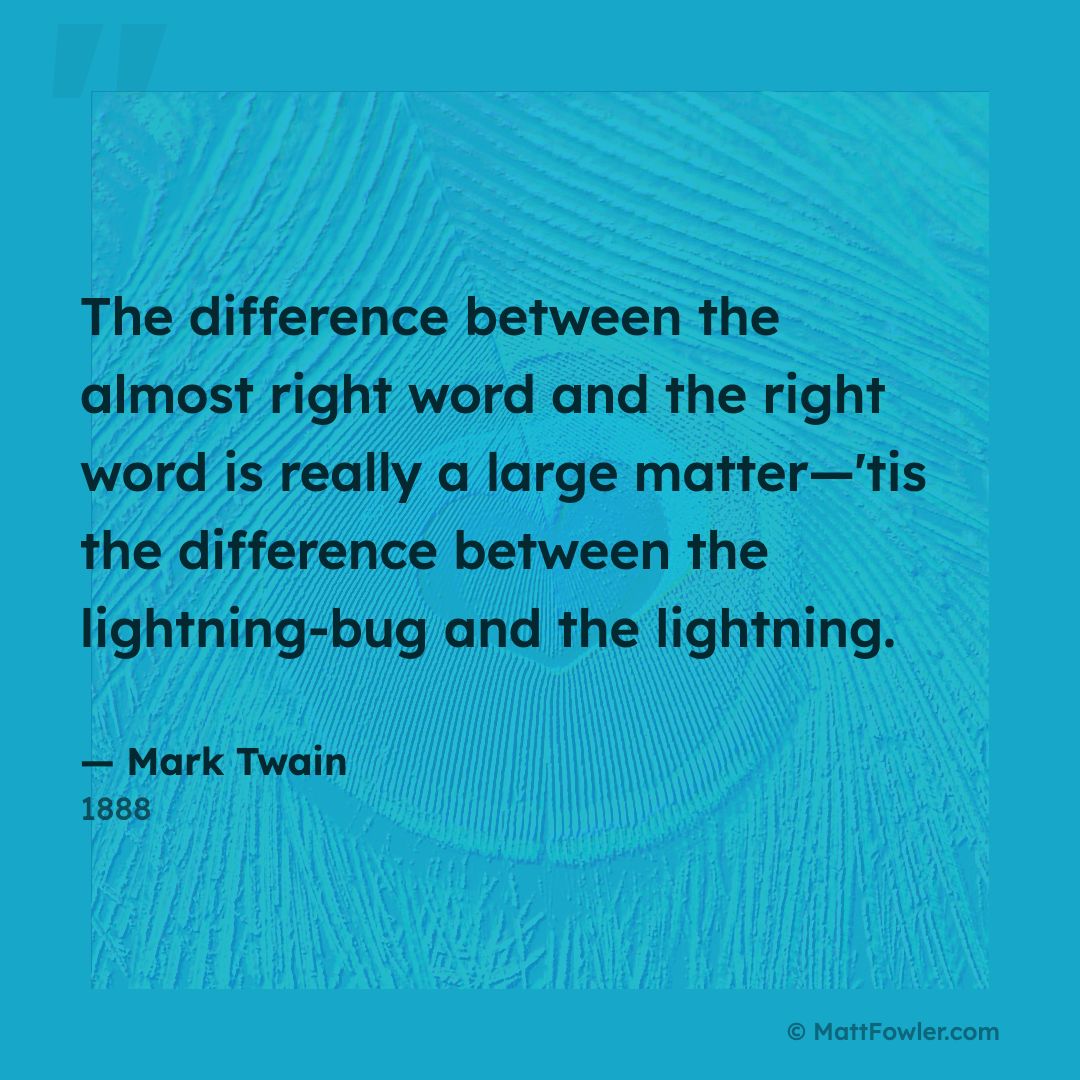
Lightning and the Lightning-Bug: Twain in 1888
Precision matters. In writing, in communication, in thought. The almost-right word is a lie dressed up as truth.
History & Ideas
Posted on:
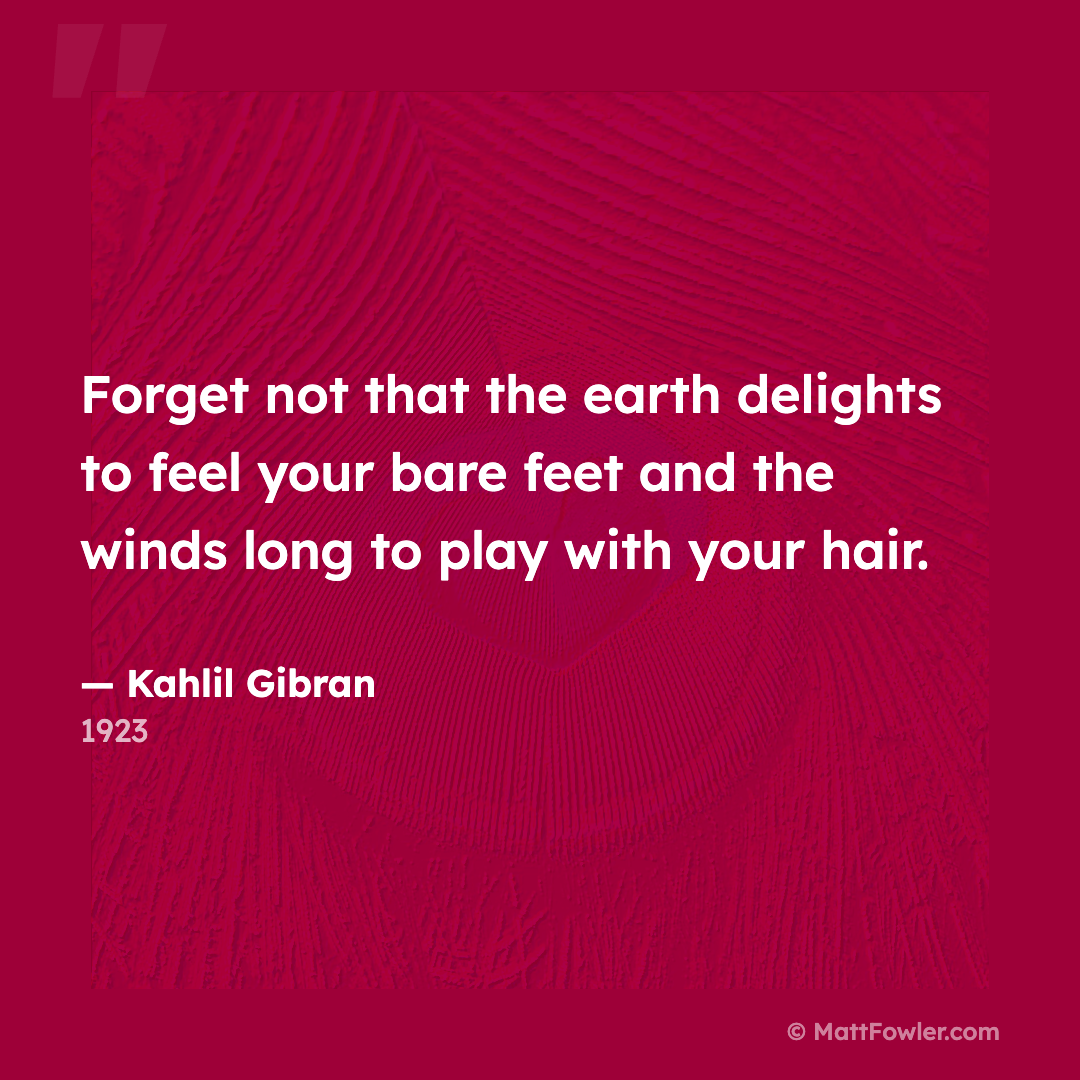
Welcome Home: Gibran in 1923
Coming home isn’t just returning to a place—it’s returning to yourself. The earth remembers you. The wind knows your name. After the conferences and the travel and the strategy sessions, this is the reminder: you belong here.
